
Ultimate Alaska Cruise Guide: Itineraries, Excursions and Planning Tips
Planning an Alaska cruise involves several key decisions, from choosing the best time to travel and selecting the right itinerary to understanding ports, excursions, and cruise line options. With a short cruise season that runs from spring through early fall, Alaska offers a wide range of experiences that can vary significantly by month, route, and travel style.
Alaska cruises provide a practical and efficient way to explore one of the most remote and scenic regions in North America, where much of the coastline is not accessible by road. Travelers can experience glacier viewing, wildlife encounters, and coastal towns while enjoying a trip that bundles transportation, accommodations, and dining into one itinerary. This guide covers everything needed to plan an Alaska cruise, including when to go, where ships sail, what to expect in port, and how to prepare for the journey.
Why Choose an Alaska Cruise?
An Alaska cruise gives travelers the opportunity to experience a wide range of landscapes and ecosystems in a single, well-planned trip. Scenic cruising days feature glaciers, fjords, and forested coastlines, while time in port opens the door to outdoor adventures and cultural experiences. Wildlife viewing is a major highlight, with chances to see humpback whales, orcas, sea lions, otters, bears, and bald eagles throughout the Alaska cruise season. Shore excursions often focus on nature and exploration, including whale watching tours in Juneau, visits to Mendenhall Glacier, floatplane trips over Misty Fjords from Ketchikan, and ziplining or wildlife excursions at Icy Strait Point, along with options like kayaking, fishing, and cultural tours. At the same time, Alaska cruises simplify travel planning by combining transportation, accommodations, and dining into one itinerary, making it easier to explore this remote destination.
Best Time to Visit Alaska
The Alaska cruise season runs from late April through early October, with most sailings concentrated between May and September. Each part of the season offers different conditions for weather, wildlife, pricing, and daylight hours. Early season cruises in April and May typically have cooler temperatures, fewer crowds, and lower demand. May is often one of the driest months and offers increasing wildlife activity along with longer daylight hours.
Peak season occurs from June through August, when temperatures are warmer, daylight can extend up to 19 hours, and wildlife activity is at its highest. July is often considered a key month for wildlife viewing due to active salmon runs that attract bears and marine life. August continues strong wildlife activity but brings increased rainfall in many areas.
Late season cruises in September and early October feature cooler temperatures, fewer crowds, and lower prices. Wildlife can still be seen, particularly early in September, and there is a possibility of viewing the northern lights on select itineraries. However, rainfall increases and daylight hours decrease. Travelers can explore a full month by month breakdown in a dedicated Alaska cruise season guide to better match timing with their priorities.
Check out our full month-by-month Alaska cruise planning guide here!
Alaska Cruise Itinerary Options
There are several types of Alaska cruise itineraries, each offering a different experience. Choosing the right itinerary for your Alaska cruise is important, as there are many options.
Inside Passage Cruises
Round trip Inside Passage cruises are the most common and typically depart from Seattle or Vancouver. These itineraries sail through protected waters, which often results in calmer conditions, and include stops in popular ports such as Juneau, Ketchikan, and Skagway along with scenic glacier viewing days.
Gulf of Alaska Cruises
One way Gulf of Alaska cruises travel between Vancouver or Seattle and ports near Anchorage such as Seward or Whittier. These itineraries often cover more distance and include additional scenic areas like College Fjord or Hubbard Glacier. Because they begin or end in Alaska, they require one way flights but allow for more in depth exploration.
Longer Alaska Cruises
Longer itineraries from ports like San Francisco include additional sea days and extended time sailing along the Pacific Coast before reaching Alaska. These cruises are typically 10 nights or longer and combine time at sea with traditional Alaska ports.
Destination-Focused & Expedition Cruises
Small ship and expedition cruises focus on less visited areas and often include more active excursions such as kayaking and hiking. These itineraries may visit remote communities and natural areas that larger ships cannot access.
Alaska Cruisetours
Cruisetours combine a one way cruise with a land based portion that includes destinations such as Denali National Park, Anchorage, and Fairbanks. These packages are designed for travelers who want to see both coastal and interior Alaska in a single trip.
Common Alaska Cruise Ports and Excursions
Most Alaska cruise itineraries include a similar group of ports, each offering a mix of natural attractions and excursions.
Ketchikan, Alaska
Ketchikan is known for its Native Alaskan heritage, totem poles, and access to Misty Fjords National Monument. Fishing excursions and cultural tours are common here, along with opportunities to explore local history and waterfront areas.
Check out our full Ketchikan port guide here!
Juneau, Alaska
Juneau, the state capital, is only accessible by air or sea and is one of the most visited ports. It is home to Mendenhall Glacier and offers whale watching tours, glacier hikes, helicopter excursions, and tram rides with views over the city.
Check out our full Juneau port guide here!
Icy Strait Point (Hoonah), Alaska
Icy Strait Point, located near Hoonah, focuses on wildlife and cultural experiences. The area is known for whale watching, bear sightings, and outdoor adventure activities such as ziplining. It also highlights Alaska Native ownership and heritage, providing a different perspective compared to more commercialized ports.
Check out our full Icy Strait Point port guide here!
Other Common Alaska Ports & Glaxiers
Other common ports include Skagway, known for its Gold Rush history and scenic railway excursions, and Sitka, which blends Russian and Native Alaskan history with wildlife viewing opportunities. More exotic Alaska itineraries may also visit less-frequented ports such as Haines, Kodiak Island, and Wrangell.
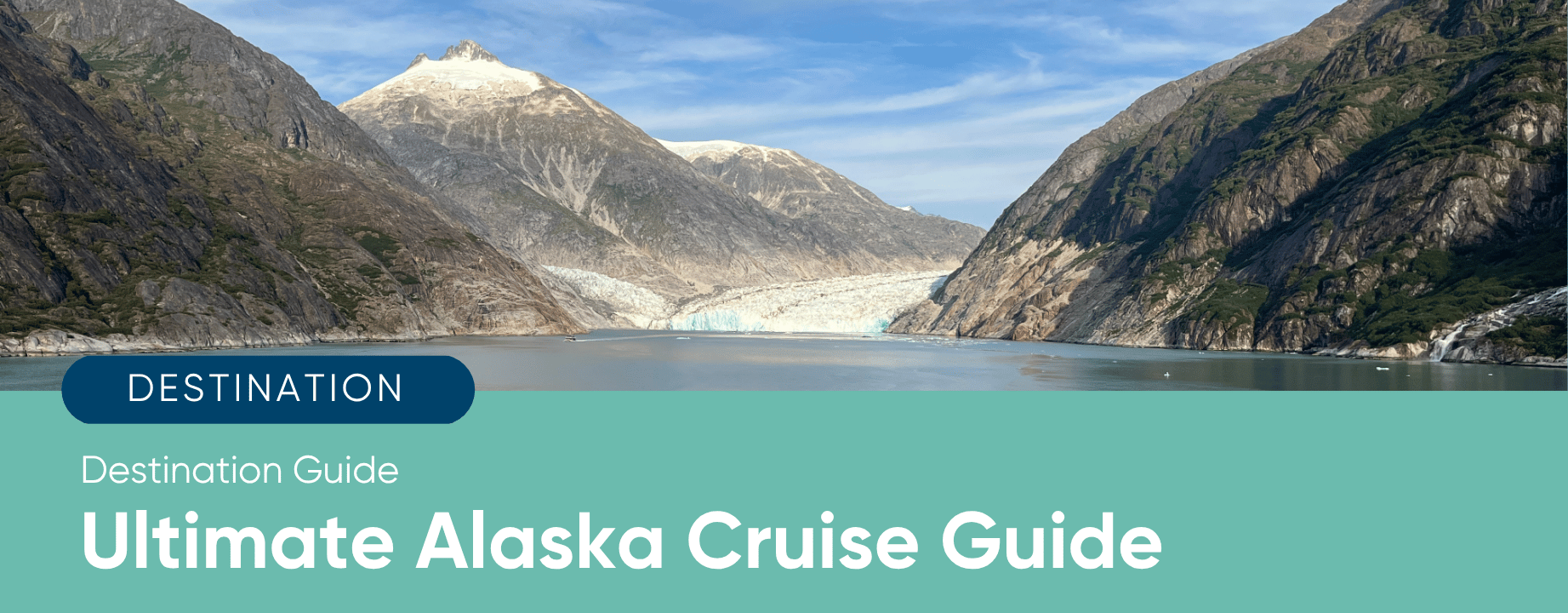
Alaska Cruises also include scenic cruising days where ships sail past glaciers and fjords without docking, allowing passengers to view landscapes directly from the ship. The most common glaciers and fjords on Alaska itineraries are the Hubbard Glacier, Tracy Arm Fjord, Endicott Arm and Dawes Glacier, College Fjord, and Glacier Bay National Park (only available on select cruise lines).
Which Cruise Lines Sail to Alaska
Alaska has a long history in the cruise industry, with several major cruise lines operating in the region each season. Princess Cruises and Holland America Line are among the most established operators, with decades of experience and a strong presence in both cruise itineraries and cruisetours complete with dedicated rail service and wilderness lodges in the Alaska interior.
Other major cruise lines that sail to Alaska include Norwegian Cruise Line, Celebrity Cruises, Royal Caribbean, Carnival Cruise Line, and MSC Cruises. Each line offers a different onboard experience, ranging from family focused ships with entertainment and activities to more traditional cruise environments.
In addition to large ships, smaller expedition style cruise lines operate in Alaska and focus on remote destinations and active excursions. These cruises typically carry fewer passengers and provide a more specialized experience centered on nature and exploration.
Tips and FAQs for Alaska Cruises
Book early to secure preferred itineraries, cabins, and pricing, especially for peak summer sailings
Choose travel dates based on priorities such as wildlife viewing, weather, or budget
Pack in layers to prepare for changing weather conditions, including rain and cooler temperatures
Reserve popular shore excursions in advance, particularly glacier tours and wildlife experiences
Consider balcony cabins for scenic viewing, as much of the experience involves observing landscapes from the ship
Plan for additional costs such as gratuities, excursions, and onboard amenities
Use cruise line apps or online tools to manage bookings, check in, and schedule activities
Research ports in advance to decide between guided excursions and independent exploration
Alaska Cruise Planning Recap
Planning an Alaska cruise involves choosing the right time of year, itinerary type, and cruise line based on travel goals. The season runs from April through October, with peak conditions in summer and lower prices in the shoulder months. Itineraries range from Inside Passage round trips to one way Gulf of Alaska sailings and extended cruisetours that include inland destinations. Most cruises visit a core group of ports that offer wildlife viewing, cultural experiences, and outdoor excursions. With proper planning, an Alaska cruise provides a structured way to explore glaciers, coastal towns, and natural landscapes while balancing logistics, cost, and overall travel experience.